January 2, 2025 · 7 min read
Oral Appliance Efficacy — Time for Augmented Intelligence!
Machine learning and artificial intelligence are enabling personalised oral appliance protocols and predictive outcomes for sleep apnea.
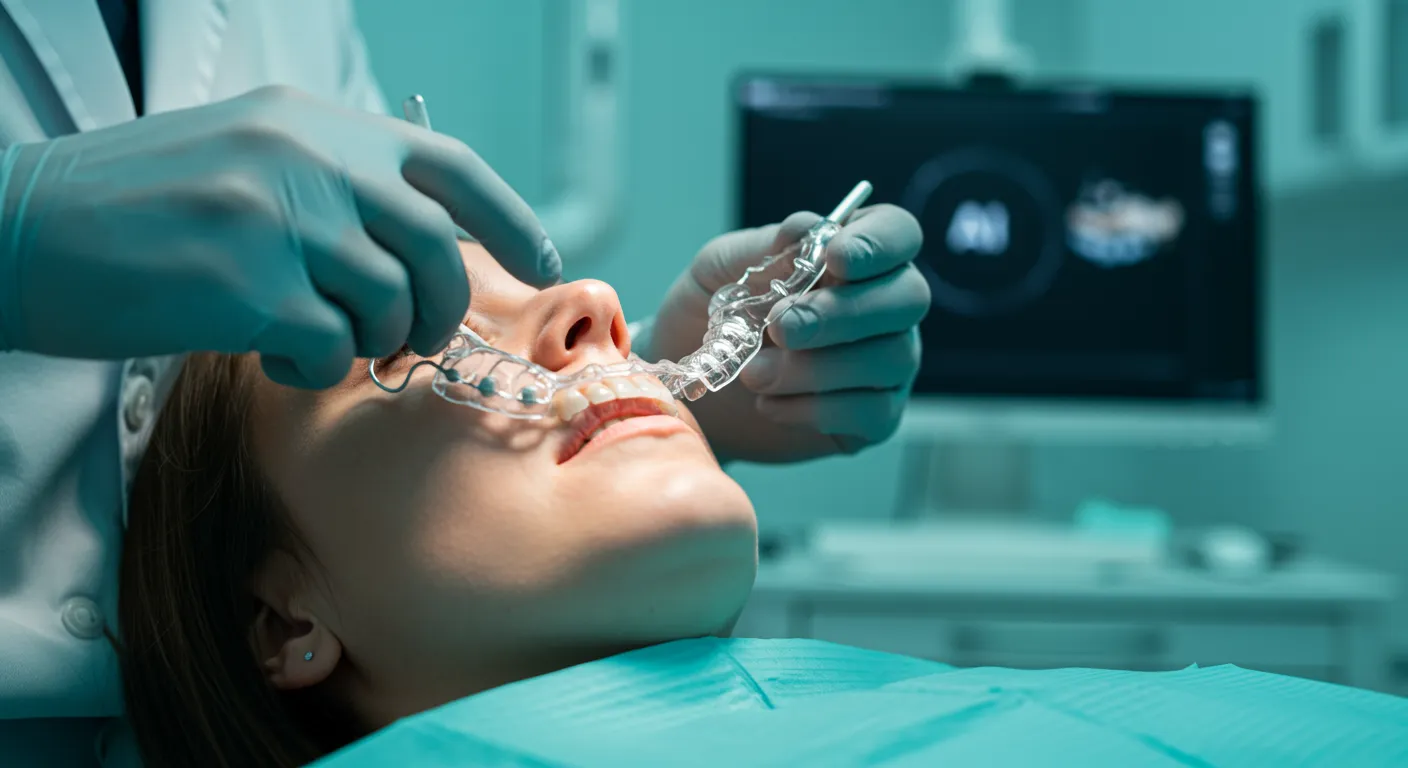
Sleep medicine collects more longitudinal data, per patient, than almost any other discipline in dentistry — polysomnograms, home sleep tests, titration records, oximetry, follow-up questionnaires, device diagnostics. Most of it sits in PDF reports.
The opportunity in front of us is not artificial intelligence — it is augmented intelligence. A clinician who has personally treated a thousand sleep-apnea patients carries a hard-won intuition about which patients will respond to which therapy. A model trained on a hundred thousand patients carries a different kind of knowledge — broader, shallower, more consistent.
Neither replaces the other. The interesting work is the loop between them: the model surfaces patterns the clinician would not have seen; the clinician corrects the patterns the model misreads. Over time, both improve.
Where this matters most is at the start of therapy, when a clinician is deciding whether a given patient is more likely to respond to CPAP, to an oral appliance, to combination therapy, or to surgical intervention. That decision currently rests on rough heuristics. There is no reason it has to.
A note on this piece
This piece is also published, in its longer clinical form, on the Arch Dental of Woodbury journal.